A review that quotes you
It says whether your design holds up, quoting your own words for what held and what did not. The debrief keeps your decisions, the test result and what you changed, and shows where you asked for help.
After Syntax is a practice simulator for software engineers, from first job to senior. It trains the reasoning design work needs: framing the problem, weighing trade-offs, predicting failure and explaining your choices. Each practice tests your model and your prediction, a review quotes your own work, and the next practice targets what it found. No code.
After Syntax opens soon.
You cannot create an account yet. When it opens, Pro is free for 7 days, then $12 a month or $99 a year.
You predicted
An offline subscriber will receive every update when it reconnects.
Each line is one update, from when it was sent.The queue dropped it after 5 minutes.
The test showed
It was offline longer than the queue keeps updates, and came back with two of the four.
The gap: nothing told the subscriber what it missed. In Improve, you change the design and say what changed your mind.
Six steps in one sitting, about 30 to 50 minutes. Your work saves as you go, so you can stop and come back.


Read the situation as a briefing: what happened, your role, and what a good outcome looks like.
Sketch the system or the decision: its parts, its flows and the limits that matter.
Say what you expect to happen, and how sure you are, before anything runs.
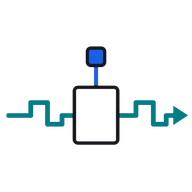
Run your design in the simulator and see where the result differs from your prediction.
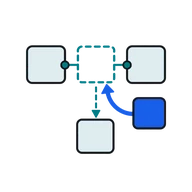
Change the design where the test proved you wrong, and say why.
Name what changed your mind, then read a review that quotes your own work.
After the test, you can read how real teams handled the same kind of problem, from public writing by Cloud Native Computing Foundation.
Each practice ends with a review of your own work. What it finds decides what you practice next, and the idea comes back later so it sticks.
It says whether your design holds up, quoting your own words for what held and what did not. The debrief keeps your decisions, the test result and what you changed, and shows where you asked for help.
A day later, one asks you to apply the idea to a new situation. After a wait you choose, one asks you to recall it from memory. A few minutes each, with no deadline.
Progress links each of ten skills to the work that showed it. When a review finds a gap, your suggestions put practices that train it first. No scores, no streaks.
Tell us how long you have worked in software, and we set your level and how much help you get. You can change both at any time.
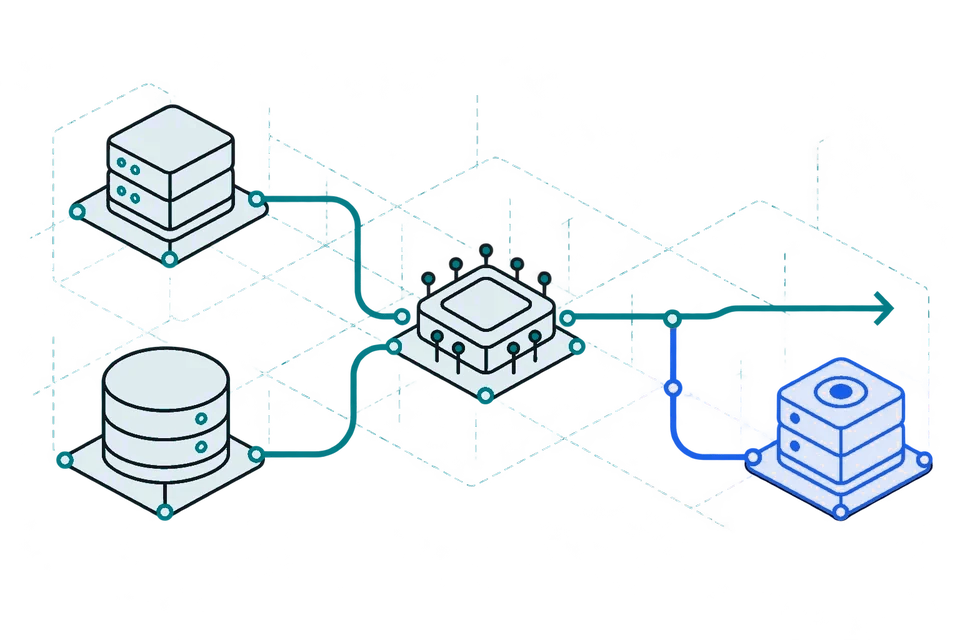
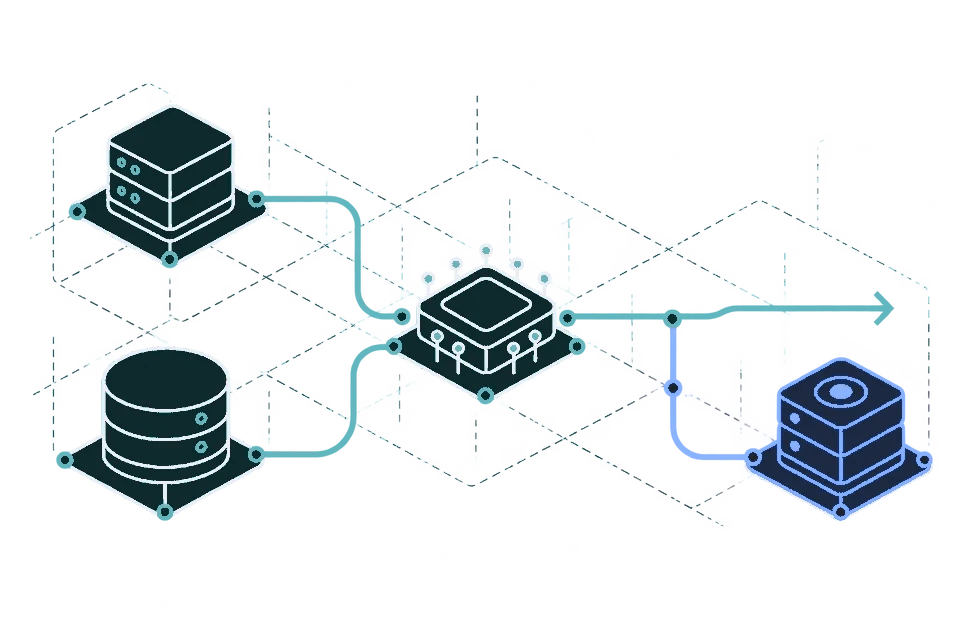
One plan, Pro, paid monthly or yearly. Every practice is part of it, and the next practice targets what your review found.
$12a month
Or $99 a year ($8.25 a month, save 31%)
Starts with a 7-day free trial, one per person.
After Syntax opens soon.
Sign-up and the free trial start when it opens. Prices are in US dollars.
Without Pro you can still read every assignment, your saved work and your debriefs. You can also finish a practice you started and export or delete your account.
Something else? Write to support@aftersyntax.com or read the privacy notice, terms and refund policy.
No. Foundation practices cut incidental complexity and explain unfamiliar terms as you go; Standard and Advanced add ambiguity and stakes. Your starting level and help come from how long you have worked in software, and you can change both.
Yes, if you want to understand how software systems behave. Practices are written for engineers, Foundation practices explain terms as you go, and you never write code.
Not directly. There are no model answers to memorize and no timed mock interviews. It practices the reasoning those interviews look for: framing the problem, weighing trade-offs, predicting failure, and explaining your choices.
It asks questions about your work and writes a review that quotes what you wrote. It never writes your model, your decision or your answer. Test results come from each system’s fixed rules, not from an AI guess. When you ask for help, your debrief shows where.
No. You read the situation, model the system, predict what happens, test it, and explain what you changed.
About 28 minutes at Foundation, 40 at Standard and 50 at Advanced. Work saves as you go, so you can stop and come back. There are no deadlines, streaks or quotas.
The systems are fictional and modeled on real kinds of products. “How real teams handled it” cites public writing from real companies. Test results show what happens inside the practice system; they do not predict any real production system.
No. Every practice is part of Pro, which starts with a 7-day free trial, one per person. An account without Pro can still read every assignment, and anything you saved stays readable.
Pro starts with a 7-day free trial, one per person. You choose monthly or yearly before checkout, then enter a card at checkout, and you pay nothing during the trial. Stripe emails you before it ends. Cancel in Settings before then and you are not charged; otherwise Stripe charges $12 a month or $99 a year, the plan you chose, when the trial ends.
Yes, at any time in Settings. Canceling stops the next charge, and Pro stays until the end of the trial or the period you paid for. After that you cannot start a practice or send a check-in answer, but you can finish a practice you already started, and everything you saved stays.
No. After Syntax does not connect to your systems and never needs source code, credentials or customer data.